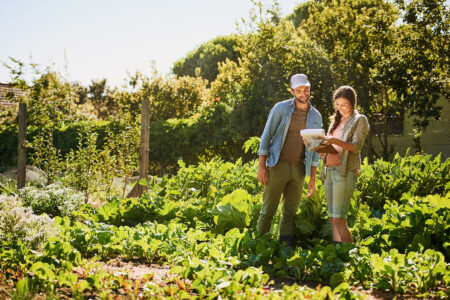
Before you so much as lift a rake, considering what you’re going to grow, where you’re going to grow it, and when you’re going to sow or plant it will help you to get the most from your garden.
Spending time planning before you start sowing helps you to maximize your harvests. Taking time to observe where sun and shade fall in your garden will help you to pick the right plant for the right place. Tender crops such as tomatoes, peppers and squashes grow best in a sunny part of the garden, while leafy greens, salads, and some herbs such as parsley and chives prefer partial shade, particularly in hotter climates. If necessary, lower-growing plants can be grown behind taller ones (e.g. sunflowers or tomatoes) so that they benefit from the shade cast.
Make sure you know which direction the wind comes from and where the more sheltered areas in your garden are so you can best choose what to grow where. For instance, high winds can damage pole beans so they are best suited to a sheltered spot, but corn needs light winds for pollination and is better in a more open position.
Crop Rotation
Rotating crops from the same family to a new bed each year makes it harder for soil-borne pests and diseases to thrive. It also helps to keep the soil in great condition, because different crops place different demands on the soil.
Our Garden Planner makes crop rotation simple. When you select a plant, your plan will flash red in areas that were previously occupied by plants from the same crop rotation family.
What to Sow When
Once you’ve chosen what you’d like to grow, it’s time to work out key dates for sowing, planting, and harvesting each crop.
Our Garden Planner takes the hard work out of this job. Once you’ve added the plants you want to grow to your plan, click on the Plant List button to view your recommended dates for sowing indoors, sowing/transplanting outdoors, and harvesting in your location. The Garden Planner will send you sowing and planting reminders twice per month, so nothing gets forgotten.
The Plant List also shows how many plants you’ll need for the space you have available, so you know how many you need to raise and can have the right amount of potting soil, seed containers, and plant supports on hand when you need them.

Make the Most of Your Garden Space
Careful succession planting will enable you to keep your plot productive for as much of the year as possible.
The Garden Planner’s Succession Planting tool makes planning this easy. Double-click on the plant in your plan and select the months that each plant will be growing in your garden. You can then view your plan during a specific month to see where gaps appear as crops are harvested. Use the filter button next to the selection bar to show only plants suitable for setting out during that month. That simple bit of planning doubles the number of harvests you’ll get from the same piece of ground.
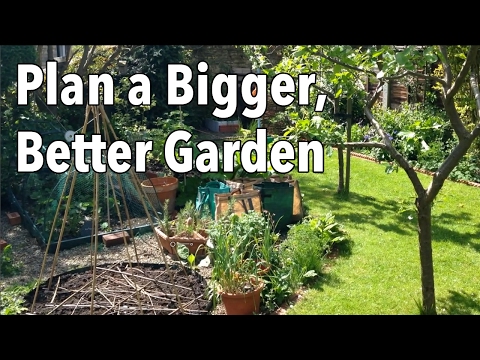
Learn more about planning your garden in this video.
Get More Tips With These Great Gardening Resources
Our popular Vegetable Garden Planner can help you map out your garden design, space crops, know when to plant which crops in your exact location, and much more.
Need crop-specific growing information? Browse our Crops at a Glance Guide for advice on planting and caring for dozens of garden crops.
More Videos
Watch more videos on gardening techniques and other self-reliance, DIY topics on our Wiser Living Videos page.
Benedict Vanheems is the author of GrowVeg and a lifelong gardener with a BSc and an RHS General Certificate in horticulture. Find all of his MOTHER EARTH NEWS videos and articles here.