

Find the best farm animals for beginners among heritage livestock breeds. Pick a pig, get a goat, decide on a donkey, and more.
Many people love the idea of conserving an endangered breed of livestock, but they may not know where to start. I’ll suggest some heritage breeds that have great temperaments, are easy to care for, and aren’t so rare that you can’t find any – perfect for beginners!
Before getting an animal, do your homework on the breed and how to care for it. Make sure you have all the infrastructure in place – including housing, fencing, and a way to transport it. For larger animals, don’t depend on a neighbor or friend to lend you a trailer in an emergency. In a natural disaster, they may need it themselves. Thorough preparation will help you avoid mistakes that could impact you and your animals.
This is also a good time to find a mentor who’s raised the breed, a local breed club, or another related organization.
Hop into Rabbits
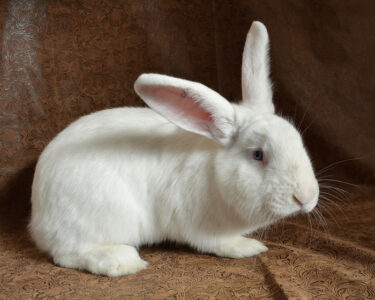
Rabbits are one of the easiest species to start with. They’re simple to care for and don’t need a lot of space. They can be kept indoors or outdoors, make great pets, and are an economical source of meat. On top of all of that, they provide excellent “cold” fertilizer that doesn’t need to be composted before use in the garden.
The Beveren is a docile breed that dates to the 19th century in its native Belgium. Soon after their development, they arrived in England and became quite popular. Blue Beverens were reportedly raised in Buckingham Palace before WWII.
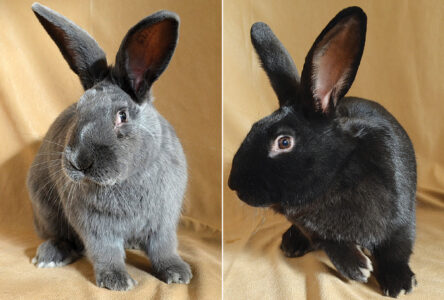
The Beveren comes in three colors: black, blue, and blue-eyed white. They were once sought after for their luxurious pelts and as meat rabbits. Bucks can weigh in at 8 to 11 pounds and does 9 to 12 pounds. These rabbits are curious and look for attention, making them delightful to manage. Whether you’re looking for a pet or a meat animal, the Beveren fits the bill for both jobs.
Pick a Pig
Pigs have always been a homestead staple – and for good reasons. Beyond meat and lard production, they can be incredibly useful in the garden once it’s done for the season. They’re natural rototillers that’ll weed and fertilize the garden simultaneously. If you’re not in a hurry, they can even help remove stumps. Simply drill holes in the stump and deposit treats, such as acorns, to entice the pigs to slowly break their way through to the snack.
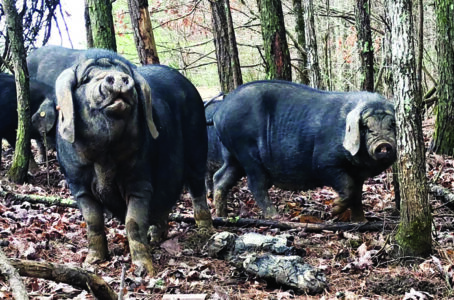
Pigs can be raised in almost any environment, if provided with appropriate shelter from extreme elements and plenty of water. The most challenging aspect of keeping pigs is maintaining the perimeter of their enclosure. Pigs are intelligent and most of them root, so getting under a solid fence isn’t much of a challenge. Electric fencing is a popular alternative, but it must be said that, in most cases, pigs will know if the electricity is off before you do!
Meishan pigs have existed in China for thousands of years. They were a common sight on farms and in community pigpens there until the arrival of “improved” commercial breeds and the government push for these breeds in the 20th century. A small number of purebred Meishans are now kept by the Chinese government on conservation farms. Today, the largest population of Meishans survives in the United States thanks to a growing network of breeders and enthusiasts.
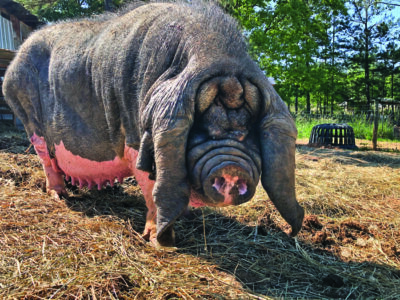
Meishans are medium-sized pigs, with boars averaging 275 to 375 pounds and sows 300 to 400 pounds. The females usually have 16 to 18 teats but can have 20 or more, enabling them to raise the large litters they’re famous for. Once fully mature, sows can have litters of 14 to 16 or more piglets.
The meat of the Meishan is excellent and is considered sweet and fine-textured. It’s as dark red as good beef and has a delicious flavor. Bonus fact: Meishans don’t have the strong smell that other pig breeds can be known for.
Gotta Get a Goat
Goats are another farmyard staple and one of the earliest species to be domesticated. It’s no wonder, because they can provide meat, milk, fiber, draft, leather, and top-notch weeding services. They’ll eat many varieties of plants that other ruminants won’t touch, and they can adapt to a wide array of environments and climates.
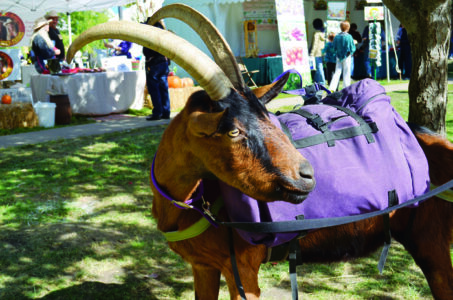
The Oberhasli is a striking goat that’s beautifully marked in deep red and black. They’re medium-sized, with males weighing 150 pounds and females around 120 pounds. Some are naturally polled, but most of those in the U.S. have horns.
The breed was developed in Switzerland in the 1800s as a dairy goat and soon came to America. The does can produce up to 1-1/2 gallons of milk a day, with a respectable fat content of up to 4 percent. Beyond dairy, the Oberhasli is notable as a pack animal. They’re easygoing and seem to be less fearful on the trail than other goat breeds.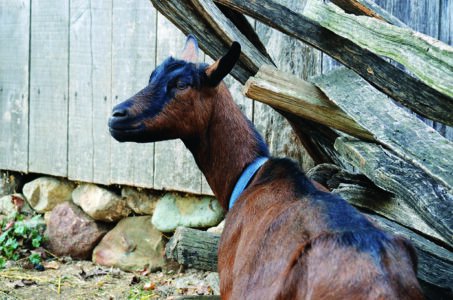
Sheep Dreams
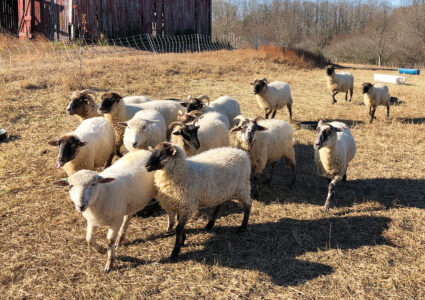
Sheep are a useful species that can be multitasked to provide fiber, milk, sheepskin, and meat. Some breeds are used for sustainable land management and to control invasive plants. Many breeds must be shorn once or twice a year, while others naturally shed their coats.
The Hog Island sheep is the last remnant of British sheep that arrived in the colonies, in the 1700s. They became a feral population on their namesake island off the coast of Virginia. The Nature Conservancy purchased the island as a nature reserve and promptly removed most of the population in 1974, leaving only 18, and then removed animals again in 1979, leaving only eight. Many Hog Island sheep are currently kept within living history farms, particularly in the mid-Atlantic, but they’re slowly spreading westward.
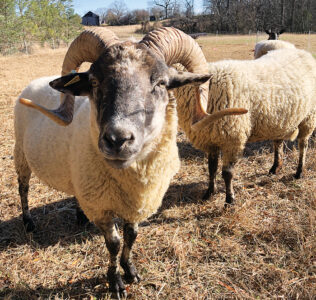
Hog Island sheep are hardy and, with handling, can be tamed to make great show animals or pets. They naturally shed their woolly coats, but most owners shear them to take advantage of their beautiful fiber. The sheep can be solid white, black, brown, spotted, or any combination of those colors. Some are naturally polled.
The meat from Hog Island sheep is outstanding, especially mutton produced from older animals.
Count on Cattle
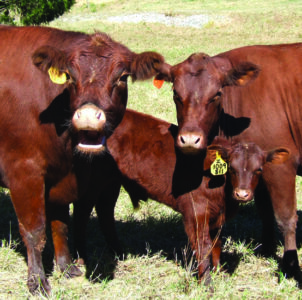
Cattle can be a challenge for a beginner because of their size and the fact that some may become agitated or try to escape when stressed. Some breeds, as the old-timers put it, “don’t suffer fools” and can be dangerous in inexperienced hands. Doing research on breeds and how to safely manage cattle in general will help you succeed.
The Red Poll is a dual-purpose solid-red breed of cow developed in eastern England in the early 1800s. These cows are naturally polled and have an easy temperament. Most have been selected more for meat conformation, but they still have milk production that enables calves to grow quickly from the ample nutrition provided by their mothers.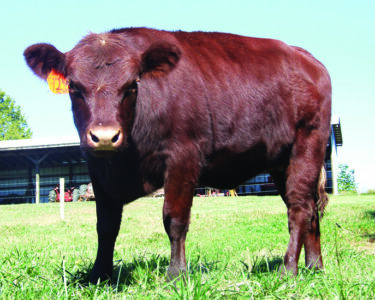
Horse Sense
Horses are on the bucket list of many homesteaders, and, with the right choice, owning one can be an excellent experience for both horse and owner. Managing them can be challenging, especially if you don’t have the right environment and handling know-how. I see far too many horses become lawn ornaments because the owner didn’t have enough time to put into training and exercising. Before getting a horse, be sure you can dedicate the necessary time and money to ensure it’s properly trained and ready for you and your family to enjoy.
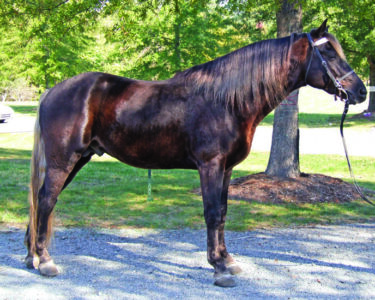
The Rocky Mountain horse is an American breed that began, according to oral history, with a stallion brought into eastern Kentucky from the West in the 1890s. The stallion was bred to mares in that region, leading to this breed.
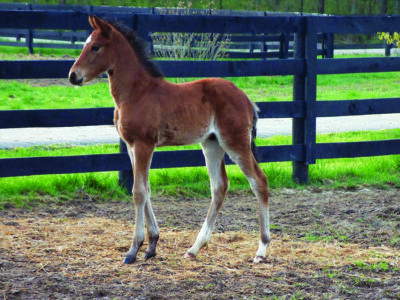
The Rocky Mountain is a smooth-gaited horse with a pleasing disposition. Owners say these horses want to be with people and are willing learners. They stand at 14.2 to 16 hands and come in a number of solid colors, offering versatile options for prospective owners. They’re a good choice for both riding and driving.
Deciding on Donkeys
Much like my advice on horses, make sure you have the time and resources to keep a donkey. They need training and commitment for you to truly enjoy owning one. They’re social animals that don’t like being kept alone and they thrive on attention from their owners.
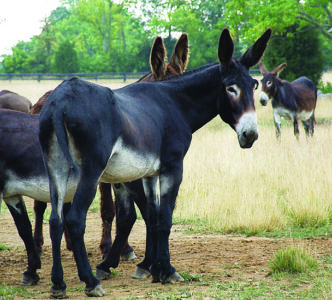
Many believe the American Mammoth Jackstock donkey was created by George Washington and his friends from large donkeys initially gifted by European leaders. The resulting breed created jacks that stand, on average, at 14.2 hands and jennies at 14, and they come in a wide variety of colors. Washington’s goal was to create a large breed that could be used to create enormous draft mules. His vision was that America would be built on mule power, and, ultimately, that dream came true.
This breed is a gentle giant and will be a long-lived member of your family if given proper care. Today, the breed has been enjoying a renaissance of interest, especially with riders in search of more stable mounts. This is because donkeys typically don’t bolt like horses when spooked, and they’re extremely sure-footed.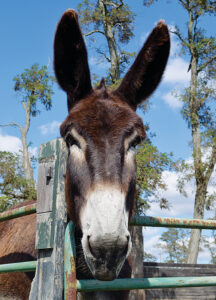
Thoughts Before Bringing Home Livestock
- Do your homework.
- Put infrastructure in place before you get animals.
- Plan for ample time to care for and interact with your animals.
- Find a mentor and a veterinarian who can help with care.
- Have fun!
Jeannette Beranger is the senior program manager for The Livestock Conservancy. She’s a lecturer, writer, and photographer. At home in North Carolina, she practices what she preaches and maintains a heritage-breed farm with a focus on critically endangered poultry.
Originally published in the December 2025/January 2026 issue of MOTHER EARTH NEWS magazine and regularly vetted for accuracy.





