
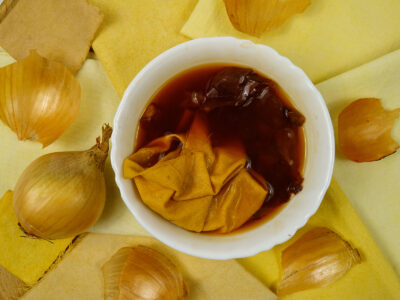
Home dyeing can be a gamble if you are new to the idea, but even if you are experienced in the art, knowing the reaction difference between animal fibers and plant-based fibers can be crucial to proper dye absorption. Using the natural dyeing process described in The Handbook of Natural Plant Dyes (Timber Press, 2010), Sasha Duerr walks you through using mordants and natural dyes in perfect harmony. In this excerpt, you will learn the basic uses of mordants and find links to several other mordant recipes featured in Duerr’s book.
Using Mordants
A mordant is a fixative that allows dye molecules to bind to fiber. From the Latin word mordere, meaning to bite, a mordant is a chemical compound that can brighten a dye color, create a dark color, or make it colorfast. Using a mordant in the correct quantity and with the appropriate fiber can coax out a plant dye’s full color spectrum and can extend lightfastness.
When Do I Need to Use a Mordant?
A mordant can be helpful and necessary depending on the dye and fiber combination you choose. Generally, animal fibers such as silk and wool are easier for the beginning dyer to experiment with as they are able to bond more readily with most plant dyes and take less time to mordant properly. A common mordant for wool is alum, which enhances color retention and depth. Plant-based fibers, such as cotton, linen, and hemp, often benefit from premordanting with tannin and alum to achieve successful results.
Some dyes in this book, such as Japanese maple and sour grass, were chosen for their easy compatibility with plant-based fibers even without a separate mordant, as the plant dye itself already contains tannins or other natural binders which act as built-in mordants. Please pay special attention to the recommended combinations of dye, mordant (or not), and fiber as you try the recipes featured in this excerpt.
Not all plant dyes need mordants to achieve good color. Some natural dyeing techniques utilize plant materials that already contain qualities that will bind color to fiber without any additives.
Not using a mordant allows you more direct contact with the natural dye colors, which can be a simple, fascinating process, and can eliminate an extra step in the dyeing process, saving time, water, and energy. The key to successful results when you skip the use of a mordant relates to
the plant materials you choose to make dye from, the fiber you want to dye, and the length of time it takes for the dye to set on the fiber.
My work with natural dyes at the Edible Schoolyard led me to explore plant dyes that could work without mordants since they are as true to their original sources as possible and do not have additives potentially harmful to children. There are many nontoxic fruits, vegetables, roots, barks, and berries that contain dye compounds that, with the right fiber, will adhere directly to the fiber without mordanting, and these are the ones I use when working with young students.
Traditionally, many mordants have been solutions of dissolved metal oxides. But mordants from plant sources such as oak galls or acorns can work just as well on fibers. Choosing your mordant wisely is one way that you can create a more sustainable dyeing practice.

In the 1970s, when many of my textile and Botanical Colors mentors were working with natural color, metal mordants were used without proper protection. Many metallic salts such as copper, tin, and chrome are suggested in old natural dye books, as well as in recent ones. We now know that these metallic salts are toxic and should be avoided for the dyer’s health as well as for the health of others. Many dyers now work only with aluminum salt and iron as metal mordants since those are considered the safest to work with when used correctly.
Mordants can be used at different stages in the dyeing process: before dyeing as a premordant, as a mordant combined with the botanical dye, or after the fiber has been dyed as an aftermordant or modifier. When you use a premordant, you treat your undyed fiber or textile in a mordant bath before you dye it, which will then make the color bloom.
You can store your premordanted fiber indefinitely for dyeing at a later stage (be sure to label the fiber), or you can dye it right away.
Premordanting the fiber also assures that the mordant has properly bonded to the fiber before it goes into the plant dye bath, enhancing its effectiveness. You use the same mordant recipe whether the mordant is serving as a premordant, mordant, or aftermordant. Rinse mordanted fibers thoroughly to eliminate loose mordant particles still clinging to the fiber.
Types of Fibers and Their Mordants
| Fabric Type
Cotton, Linen, Hemp (Cellulose Fibers) |
Mordant
Aluminum salt (Alum), Aluminum Acetate |
Purpose and Rationale
Aluminum acetate is effective for mordanting plant fibers, yielding deeper and clearer colors without the need for tannin pretreatment. Alum is commonly used for mordanting cellulose fibers, helping to achieve rich and vibrant colors. |
| Wool, Silk
(Protein Fibers) |
– Aluminum Sulfate (Alum), Tannic Acid followed by Aluminum Acetate |
Alum is effective for mordanting protein fibers, providing good color uptake and fastness. |
| General Use | Iron (Ferrous
Sulfate), Tin (Stannous Chloride) |
Iron mordants can modify colors, often producing dark color or more subdued shades.
Tin mordants brighten colors, resulting in more vibrant hues on both cellulose and protein fibers. |
Using Your Pot as a Mordant
Your mordant may also come from the metal of the dye pot you are using. The dye color results will be less scientific, but the experimentation and ease of the pot-as-mordant method can be inspiring. You can stock your dye studio with pots that are made out of these metals and reserve those pots just for mordanting. (See Pot-as-Mordant later in this excerpt for instructions.)
Safe Disposal of Mordants
Mordant baths usually expire when used in correct proportions: the fiber will probably have soaked up all the mordant, so there’s no bath liquid to save. Disposing of your mordant needs to be considered thoughtfully. Responsible disposal of your materials is key to sustainable practices.
Mordant solutions made with alum, iron, and tannin, if absorbed effectively by the fiber, can be safely poured down the drain with plenty of water, or poured onto the soil in your garden. Cooled
alum and iron mordant baths can be poured at the base of acid-loving plants like conifers, mountain laurels, azaleas, hydrangeas, and blueberries. These metallic salts are often used to fertilize these plants in higher concentrations.
Be careful, however, not to disturb the pH balance of your soil or compost pile by pouring too much acid or alkali into your garden and hurting your plants. So dispose of your mordant in different spots in the garden over time.
Using Modifiers
A modifier can be used after the initial dye process to change the color created on a fiber. Modifiers can also be used to create variegated colors on fabrics. For instance, you can dip a cabbage-dyed piece of fabric in an acid modifier on one end and an alkaline modifier on the other end and get two strikingly different color changes. White vinegar and citric acid are easy acid modifiers to experiment with.
Wood ash and baking soda are alkaline modifiers that can also provide modifier results. Iron can also be a modifier when applied after an initial dye bath, to improve the colorfastness of most dye colors and to create darker or more somber color tones. You can also add modifiers directly to certain plant dye baths to change the color before you dye a fiber.
Pot-as-Mordant
Using an iron, copper, or aluminum pot as a mordanting vessel is an easy way to make dyeing one step quicker.
Soak the fiber in water for at least 1 hour.
Place the fiber in a metal mordanting pot (either iron, copper, or aluminum) full of water, heat to simmer, and simmer for 30 to 60 minutes. Turn off the heat, and let the fiber soak overnight.
More from The Handbook of Natural Plant Dyes:
- How to Use Metal Mordants
- Basic Alum Mordant Recipe for Dyeing Wool
- Alum Mordant Recipe for Dyeing Silk Fabric
- Basic Iron Mordant Recipe for Dyeing Animal Fiber
- Iron Aftermordant or Modifier Recipe
- Make Your Own Iron Mordant Solution
- Natural Plant-Based Mordants
- Tannin Mordant Recipe for Dyeing Plant Fiber
- Alum Mordant Solution for Tannin-Treated Plant Fiber
This excerpt has been reprinted with permission from The Handbook of Natural Plant Dyes: Personalize Your Craft With Organic Colors From Acorns, Blackberries, Coffee and Other Everyday Ingredients, published by Timber Press, 2010.






