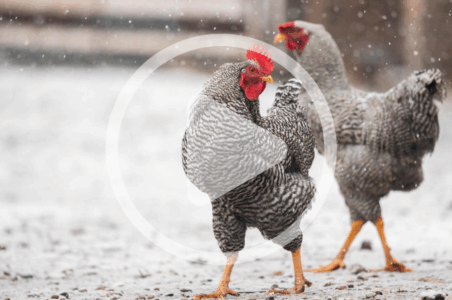
Audra Trosper: A special note on chicken breeds Silkies. People: they cannot stay warm on their own. What allows them to be poofy and soft, they don’t have those hard outer feathers they could lay down and smooth over all that and hold the heat in. So be aware that your silkies are going to struggle in the cold. And also your Frizzles can’t lay their feathers down either to the same effect.
Josh Wilder: Welcome to the Mother Earth News and Friends podcast. At Mother Earth News, for 50 years and counting, we’ve been dedicated to conserving the planet’s natural resources while helping you conserve your financial resources in this podcast we host conversations with experts in the fields of sustainability, homesteading, natural health, and more to share all about how you can live well wherever you are in a way that values both people and our Mother Earth.
Jessica Mitchell: We’d like to thank our sponsor for this episode, Brinsea. That’s B R I N S E A, chick incubation specialists. They’ve been focusing on egg [00:01:00] incubator design continuously since 1976, resulting in egg incubators, chick brooders, and incubation accessories. They offer unparalleled practicality, reliability, superior hatch rates, and healthy chicks. Innovation you can trust.
Kenny Coogan: Hello . I’m your host Kenny Coogan, and today we’re diving into a seasonally relevant topic: how to prepare your flock for severe weather from fall through spring. As temperatures drop and storms roll in poultry keepers face a unique set of challenges, keeping birds warm, dry, healthy through unpredictable conditions.
Joining me today is Audra Trosper, a poultry keeper for the past 20 years and editor with Ogden Publications where she’s the editor in chief for Goat Journal Magazine. She also contributes to the titles, [00:02:00] Backyard Poultry, Countryside and Small Stock Journal, Grit and Mother Earth News.
Audra, welcome back to the podcast. I think it’s been almost a year.
Audra Trosper: It has been. I think.
Seasonal Shifts and Poultry Stress
Audra Trosper: It’s been a little bit. Anyway,
Kenny Coogan: I’m very excited to be educating our listeners about the transition from summer to fall. What are some of the biggest signs that poultry keepers should watch for as the weather begins to shift?
Audra Trosper: For many breeds now, clearly not all breeds some of them are continuous molters, but for many breeds, they’re gonna start molting. And not obviously your chicks you just bought this last spring they’re not gonna molt this fall, but anybody who’s already been around for a year, if they’re gonna start molting, your chicken pen is gonna start looking like chickens have exploded. There’ll be feathers everywhere. They’ll be half naked, it’ll look awful. No, they don’t have lice or mites. Yes, they’re losing all their feathers. They will get them back. That’s one of your first signs. Sometimes they slow down in laying. Things like that. [00:03:00] Mainly this time of year, at least where I’m at crickets are at an all time high.
So the chickens are very happy because this time of year the crickets just explode. The population does and that makes, which is good for them, right? It it gives ’em extra protein, helps ’em put their feathers back on. So
Kenny Coogan: Yeah. I also noticed a ton of crickets and katydids are emerging.
Audra Trosper: Yes. And cicadas.
We still have lots of cicadas and yeah, that’s always a tasty munch.
Kenny Coogan: And can you tell the listeners what state you’re in?
Audra Trosper: I am in Kansas. I am actually about three hours west of Topeka, where the Ogden headquarters are.
Kenny Coogan: Are there particular breeds that handle seasonal changes better than others?
And of course this depends on what state you’re in.
Audra Trosper: It does. Obviously you need more southern states where it doesn’t get chilly, you’re not gonna have as big a variation. But where I’m at, and even north of here as things start to get colder, your lighter weight breeds with your larger combs, they’re gonna start noticing it more.
Your Leghorns, [00:04:00] your Polish your Houdans Frizzles that kind of stuff Andalusian, they’re all gonna have be more susceptible to the cold. There’s larger combs are more susceptible to frostbite. They just, they don’t have as much poof to their bodies to help keep them warm. They don’t have as much feathering.
Other ones like your Brahmas, your Orpingtons your Russian Orlaffs, Barred Rocks are actually bred for the cold. None of them are gonna really notice this. Or if they do, they’re gonna be very happy about it. I know my heavier weight birds are like my Orpingtons are really enjoying the cool down and the weather. They do not appreciate the heat. They can handle the heat. Okay. But they prefer the fall in the winter weather.
Kenny Coogan: This is a little bit of a tangent, but we have a 36-year-old Machen cockatoo.
Audra Trosper: Oh wow.
Kenny Coogan: And she just started molting as well.
Audra Trosper: Oh yeah. It is fall. It is fall. Oh, a special note on chicken breeds Silkies. People: they cannot stay warm on their own. What allows them to be poofy and [00:05:00] soft, they don’t have those hard outer feathers they could lay down and smooth over all that and hold the heat in. So be aware that your silkies are going to struggle in the cold. And also your Frizzles can’t lay their feathers down either to the same effect.
Kenny Coogan: So to help them and some other chicken breeds, fall is a great time to get ahead of the winter. When you say they can’t handle it, how are you managing your coop maintenance or weatherproofing?
Audra Trosper: I don’t have an insulated coop or anything. But it is very sturdy built. It’s one of those nice sheds, so it’s well built. It’s solid. I’ve got good ventilation in it.
When it comes up to fall and stuff one of my first things, you clean it out, make sure everything’s really good and clean. You don’t want them closed up with a lot of ammonia or anything like that, that can cause respiratory issues and whatever. I also do usually treat it for any kind of mites, whatever, just to make sure we’re going into fall that we’re not no, I cannot off the top of my head remember what I treat it with. I know it’s very expensive. You can get it huge bottles and it’s [00:06:00] ridiculously expensive, but people do sell it in like little bitty containers for a decent price and you just put like a little bit in and it makes like a huge amount and you can spray it in there and it’s really good. It’s long lasting, takes care of mites and stuff.
And I only do that like once a year. So in the fall, so
Kenny Coogan: Do you start with a liquid or a powder?
Audra Trosper: It’s a liquid. It’s a spray and I just, you spray it and all the joints and stuff like that to make sure that any mites that are running around in the house itself are taken care of.
Winter Woes and Cold Snap Survival
Kenny Coogan: Mother Earth News and Backyard Poultry Magazine, we get a lot of, how do you balance insulation with ventilation. Yeah. Especially when we’re talking about winter.
Audra Trosper: Exactly. Insulation, if you wanna insulate around your nest boxes or something to help, maybe prevent cracked eggs or whatever. I don’t have an insulated house. And we get down below zero here. When blizzards the whole shebang, it gets awful.
I do have good ventilation though up along the top. So on the east and west, there’s [00:07:00] really good vents to draw across the top. And then on the north there is as well. And then on the south they have the door. They come in and out. So you can actually draw up and out as necessary. The problem with that is when we get a blizzard or we get winds out of the north at a thousand miles an hour and it’s, minus 25, you don’t necessarily want those north winds, those north vents open.
So we do close off those north vents during weather events like that. They have a real big door that we can walk through. And then inside that is like a really nice screen door. Basically it’s got the hardware cloth on instead of screened, and that stays open almost all the time, unless it’s going to be down below freezing.
If it’s gonna be like 25 or less, we shut that door. Otherwise, we leave that open. They’re outside anyway, especially all day long. Let the coop air, let, don’t be afraid to let air in the day. Now, obviously, if you have feet and feet of snow, that might be more difficult. We don’t get. Feet, the snow that’s measured in feet, usually, occasionally we do, but and even when we do it, it only lasts for a week and then it’s gone other places, of course it just [00:08:00] keeps piling up, which can make things more difficult.
But definitely if you can open up and the beauty of that is it faces the east, so you open it up in the morning, lets, lots of sunshine in it, lets lots of fresh air in. They need that coop to air out. They need that fresh air.
Kenny Coogan: Now remember, I’m from Buffalo, New York, so we did have feet of snow.
Feet of snow, yes.
Audra Trosper: Yeah. We don’t get that here. Thankfully. It makes life easier with livestock in the winter.
Kenny Coogan: So in Backyard Poultry, I personally and other authors have written about this quite a bit about the deep litter method. And it does depend on how your coop is built or how your run is built. So what’s your take on the deep litter method for cold months?
Audra Trosper: Okay, so for me, I don’t use deep litter. I prefer to just keep cleaning it out throughout the winter. Again, I don’t have feet of snow to worry about. So I imagine if I was in a northern area where there was a lot of snow, I can’t imagine trying to get in and out to clean that. Even if I was digging past to it, I can’t, [00:09:00] that’s a lot more work to try and get that done.
So there, I would say you would almost have to do deep letter, I know it can work for people. It’s not my preferred method. Again, I’m able to do what I do because we don’t get feet and feet of snow. I don’t think necessarily one is better than the other. I just, I think it’s a personal preference and what your climate is and demands so.
I’m not sure how well deep litter would necessarily work if you were like in the deep south, it might not work so well. I don’t know. Things don’t get as cold down there. Bugs don’t die off as much. It might be more of a problem there. I don’t know.
Kenny Coogan: We’re preparing our listeners for the dead of winter. Yes. And we have to balance ventilation and heat and the bird’s comfort. So what are some of the biggest mistakes poultry keepers make when trying to keep their birds warm? And I think every year on the podcast and or in the print magazine, we talk about electrical fires, which is the worst.
Audra Trosper: It is the [00:10:00] worst. One of the biggest mistakes you can make is completely closing your coop up. People, I’m gonna insulate it, we’re gonna insulate it all up. We’re gonna close it all off. We’re gonna keep all the, what that does is that allows he all the warmth and the moisture from the bedding, the whatever, just builds in there and you get condensation that gathers on the cones and whatnot, and then it, it causes frostbite.
You would think that it wouldn’t, but it does. Just because it’s warmer doesn’t necessarily make it better. Make sure you have like your roost are flat, so like they’re like a two by four and they’re laid flat. So the four inch side is what is they’re resting on. That way they can put their feet on there and then settle their whole big feathery bodies down over their feet, keep their toes warm. There’s a balance with the lights. So some people like the lights because they do help them lay better during the winter. They do sometimes if it gets, if we’re gonna be like days below zero or only in the, or very low single digits, we have put a heat lamp in.
But if you’re going to do that, you need to be like. Very careful with how you put this in. You need to make sure it’s extremely well secured. [00:11:00] It needs to have that cage over the bulb. You need to make sure you have an actual heat lamp and heat lamp bulb together, not just the little one. You got the hardware store for normal light debts, that’s not gonna work.
You need the shortest drop cord if you don’t have actual electric to your coop, which we don’t. Our garage is not very far from it, so we actually run a drop cord across. It is a very heavy duty drop cord. It is the shortest one we can possibly use for that distance. And it is only used in the very coldest weather.
They don’t need it generally, and chickens that are used to it now. Keep in mind that sometimes we will go from, we’ve been in the thirties for a month, okay. And then here comes a cold front, and suddenly we went from being in the thirties, sometimes even forties during the day, and now we’re, minus one all day long.
The chickens were not ready for that. So if you’re in a northern area where it gets progressively colder and then it just stays that way you probably don’t need it because the chickens are like, yeah, okay, I got this. It’s just what I’m feathered for. But if your [00:12:00] chickens aren’t used to that cold, you might need alternative heat.
I know there’s different ways to do it. It’s something I always use an extreme amount of caution around because of the potential for fire. It’s not only dangerous to your birds, it’s a danger to your own other structures on your place, depending on how close it is to maybe a garage, a barn your own house.
These are things you have to worry about.
Kenny Coogan: I just built a 12 foot by 18 foot greenhouse, and I’m in North Carolina and I have two electrical heaters, but there’s a thermostat on them for the highs and the lows when we use a heat lamp for the poultry. We don’t need it to be, and we don’t want it to be like 75 degrees no. Inside the coop. No, because then when they go outside, they’re really gonna be stressed. So we just need it to be a little above freezing.
Audra Trosper: A little above freezing. I actually, so last year, of course, my goats were very [00:13:00] young and we had just nonstop blizzard after they arrived and we actually had a fake fireplace we set up for them. I think they’re probably the only goats with a fake fireplace. And whereas it was very, it was, gosh, I think we were in the single digits and teens most of the time. It was keeping where they were right around 35 degrees between, 30 and 35 degrees. So you would still get like a scheme of ice on a bucket, but it wasn’t bad.
And they say plenty warm and you definitely, you don’t want to go above that. You just a few degrees. But even if you could keep it, say if you’re in your single digits, if you can keep that cup at 25 degrees, it’s far more comfortable than two degrees. Without it being an extreme change going from the coop to, the run or the pin or whatever it is you have for them.
Kenny Coogan: A year or two ago for a Backyard Poultry, I wrote an article with a poultry veterinarian, I believe from Penn State, and she reminded me that birds and animals can only get frostbite [00:14:00] if it’s below 32.
Audra Trosper: It’s true.
Kenny Coogan: So that’s a good point. Like you don’t need to really heat them up too much.
Audra Trosper: No they fluff up, they get lots of extra downy feathers for the winter.
Any of your livestock, of course put on a winter coat, the last thing you wanna do is overheat them in that coat. It’s the same as if you are outside in your bundled up in your winter jacket and then you come into your house and it’s 77 degrees, you take off your jacket, but they can’t do that.
So imagine you have to stay wrapped up in that jacket. Don’t make it too warm.
Kenny Coogan: Do you have any advice or tips on how to protect waterers from freezing with or without electricity? Of course, we’re gonna be buying the proper tools, just like the heat lamp and the shade.
Audra Trosper: So we actually use the heated base that the metal thing sits on. We have found that actually does the best job. It has kept it going. Now we get straw bales and we build like a straw bale fort, three-sided straw bale fort around it. That we put [00:15:00] that in. And that actually, it doesn’t matter how cold it has gotten, it stays thawed sometimes in the very top it’ll go ahead and freeze, but down below it, it does okay. And it keeps the what’s on the top slowly melts down. That’s when it gets really cold. But we get so much wind here that if you don’t protect it a little bit, it just swooshes all the warmth away and.
That’s what we’ve used for years as a heated base. Otherwise, it was toting buckets from the house several times a day to make sure they had water, change ’em out and whatnot. I’ve heard you can put water bottles in and all kinds of stuff in. I don’t know how well that works. I’ve never actually tried it again, if you’re going to use the electric heater, don’t put it in the house.
Do not put the water in the house again, that’s going to cause evaporation, which is going to add to the moisture in the house, which is going to add to your chances of having frostbite for your chickens. Don’t do that. Leave it outside. They’re okay. They can go outside and drink. They’ll be [00:16:00] fine. Again, make sure you have a properly rated cord for it.
Even if you have to use a drop cord or whatever, make sure it’s rated. Make sure it’s very heavy duty. Make sure it’s the shortest distance you can make it. Make sure you change them out. If it is a cord you’ve used for five years, you should probably get a new cord. That’s something people don’t think about.
They’re not forever things, just because they’re still plugging in and getting power from one end to the other does not mean it’s still safe to use.
Kenny Coogan: All right. Excellent advice. Audra. We’re gonna take a quick break to hear a word from our sponsor, and when we return, we’ll be talking about how to manage rain, mud, and windstorms. Those messy, unpredictable conditions that show up in both spring and fall.
Thanks to our sponsor, Brinsea
Jessica Anderson: Brinsea products are designed to be long lasting and energy efficient. Their Advance Series incubators and brooders feature the latest state of the art digital control systems, [00:17:00] providing instant readings of temperature and humidity to ensure successful hatches and healthy chicks.
Check out Brinsea incubators and more at www.Brinsea.com. That’s www.Brinsea.com. .
Kenny Coogan: We are back with Audra Troper, a poultry keeper for the past 20 years. She’s also the editor in chief for Goat Journal Magazine and also contributes to the titles, backyard Poultry, Countryside and Small Stock Journal, Grit and Mother Earth News.
Rain, Ice, and Mud Management
Kenny Coogan: Audra let’s talk about wet weather . Fall and spring, like I mentioned before, the break often bring rain and lots of mud. Here in North Carolina, it has been raining for a week straight and there’s lots of mud in the backyard right now.
Audra Trosper: Oddly enough out where I’m at, ’cause I’m at right where Central Kansas starts to bleed into Western Kansas and we’re [00:18:00] typically pretty dry out here this year. That has not been the case. It has rained a ton and so we’ve had to deal with a lot more mud. One of the things is keeping it covered. We have one big area of the pen that is covered, so they always have a dry place to go if they want. They can go wander around in the rain if they want and will do so given half an option.
But they also like to go up underneath the covered area and stay dry. Now, when it starts to get cold, them getting wet can be a problem. They do seem to understand this on their own, and when it’s really cold and drizzly, they tend to stay tucked in under the covered area. We use a lot of the oh, they’re like the wooden pellets you can get for horse stalls and spread those out, wet those down. That really takes care of your mud. That just makes it go away. It’s great. Absorbs it. Absorbs, it gives them place to walk. That’s not really gross, which is really important. If you have a really feather footed chicken, that’s where your problems really come in because those feathers, they get wet, they get cold, they cause problems for the feet, they [00:19:00] hold harbor bacteria, just all kinds of issues.
So you wanna keep it as dry as you can. A lot of people prefer to have the entire run covered. I would do so if it was financially feasible. It’s not right now my run is a 25 by 30 foot run. I don’t have a way to cover the whole thing right now, but they do have a very large area, their feed, their water, everything is up underneath that covered area, so they don’t have to go out into the wet to get to it, which is really nice when it snows because they don’t like to leave that area and wander through the snow much.
Kenny Coogan: So when you say covered. Are you talking about tarps, metal or wood?
Audra Trosper: Yeah, whatever you have, whatever kind of roof you wanna put on. Mine is covered with tarp. That’s what I have is three 10 foot by 10 feet wide by 20 foot long greenhouse frames. And those are set up side by side and then covered with first the bird netting.
And then they’ve got, it’s got hardware cloth around it as well to prevent predators. Luckily, where I’m at, predators aren’t a huge issue, [00:20:00] but, that’s something people have to think about too for winter because predators get more desperate in winter. Yeah, they get more desperate. So make sure your predator proofing is chicken wire, keeps chickens in.
It does not keep predators out. Remember that. So anyway, we use tarps over one, one length of the hoops, the greenhouse hoops to keep that side dry for them. So
Health and Nutrition Through the Seasons
Kenny Coogan: Can you remind listeners what bumblefoot. Includes and how we can prevent foot problems.
Audra Trosper: So bumblefoot is basically a staph infection, usually in the foot. And it makes like a big abscess or whatever. It’s a lot of work to clear it up. So preventing it in the first place is better. Removing a lot of sharp rocks ’cause damage to the feet and stuff. Obviously there’s a lot of bacteria in a chicken pen. Keeping it dry, keeping it clean, that’s.
That’s your best bet for Bumblefoot. Try not to get it in the first place if you can.
Yeah. ‘Cause treating it is a, is an arduous task, [00:21:00] so yeah, keep that coop. Dry. Dry and clean. Coop and pen. Remember to rake your pen. Keep it clean.
Yep.
Kenny Coogan: Do you recommend elevating the coop or the house or using sander, gravel in runs for
specifically like winter?
Audra Trosper: I prefer to use the wood pellets for the wet associated problems because it gets really hot and really cold. So does sand. So if you put sand out it’s going to be either really cold or really hot, which is fine. If they can get in the shade during December, they might enjoy the cooler sand, but that sand out in the sun, that stuff’s hot.
If you’ve ever been to the beach bare feet, you know it gets hot. And in the wintertime it gets really cold too, so I prefer to use the wooden pellets that poof up when they get wet and they just, they really do make a very, they do really do take care of a lot of the mud and help keep things dry and whatnot.
I just not a huge fan of the sand. I know a lot of people are though, and to me it’s all about what works for you. Your [00:22:00] birds, you have to try a lot of it’s trial and error. I’ve had, like I said, chickens for about 20 years. I’ve had a lot of time to figure it out from what works for my area and what works here very well.
Might not work somewhere else.
Kenny Coogan: So listeners know that I’m really into plants. And when I asked you about those elevated coops or houses, the first thing I thought about was I can have plants outside on the ground freezing conditions and they’re fine. But if they’re elevated on a two foot or three foot table, that same temperature can freeze them and kill ’em.
Yep.
‘Cause the wind’s underneath it, it’s a little colder.
Audra Trosper: Exactly. Our shed is actually on skids. It’s one of those ones that’s pre-built, delivered, and so we actually have stuff around the edge to keep wind from getting up underneath it and that kind of stuff. For that very same reason because it does it’s kinda like a cooling rack for cookies, right?
So you put those, you don’t just lay ’em on a table, you put ’em out on the cooling rack, so the air circulates it cool down faster. Same applies in the winter.
Kenny Coogan: All right. Let’s talk about really strong [00:23:00] winds. Winds can be brutal in the shoulder seasons. What should poultry keepers do to secure their coops and protect their birds during high winds?
I’m not sure about a tornado, but maybe we could protect ’em through ice storms and strong winds.
Audra Trosper: Tornado, probably not. If a tornado hits your coop, your birds will learn to fly. It’s not nothing good. I actually have nightmares occasionally about tornadoes hitting the coop. Luckily, my nightmare, the birds all survive, which half the coop is gone and I gotta figure out what to do with them, which is always exhausting in the dream.
But we do get high winds around here, 70 mile an hour winds coming off as a thunderstorms, not particularly unusual. Luckily our shed is well set up. It’s protected from the north by a larger structure. So we have the chicken house and then there’s probably about 20, 25 feet or so, and then we have a big garage right there.
So they have that north wind protection a little bit, which helps and you to some extent, somehow our tarps [00:24:00] survive this. I don’t know how nothing has flown away yet. My husband did go through and we’ve got two by 12 boards treated boards that go all the way around the bottom of the pin that the hoops are connected to. Of course. So maybe that helps ’cause it’s good and heavy and we actually have a door built and everything. So I think all that kind of helps weight it down. We have not lost anything to the wind, but this, that doesn’t guarantee anything. Basically keep things tied down as best you can do for wind for ice. Ice is fun because it collects on all of the bird netting. So does snow. That’s something you have to be aware of. It will break your structure if it can. We actually had one hoop get broke by that very thing, and just so much snow gathered on it. It was really wet snow. So during ice storms or snow storms, first of all, you need to be able to get into your coop.
A lot of people don’t think about that. So they have those insulated things you can put on faucets, like on your house and stuff. Get one of [00:25:00] those and put it on your latch. That way you can take it off your latch is ice and snow free. It is not frozen. No pouring hot water on it. It’s much easier to take that on and off.
That’s one, one thing you could do. So you can get in and outta your chicken coop and stuff so you don’t get locked out or you need to get in there to get their water and you can’t because all the latches to your pin are frozen shut. We have to go out, we have a couple of big, like garage brooms and it doesn’t matter.
Two o’clock in the morning if it’s blizzarding, I’m out there in a chicken pan, making sure I’m clearing snow off that netting. So I go out every couple, three hours and clear that snow. It makes for a lot of fun. It’s actually my youngest son and I typically go do it. My husband also goes out there with us and it just become a fun thing.
Go clear the snow, go clear the ice, ’cause it will build up. Make sure your water’s protected from it so you don’t have a bunch of snow and ice getting. Your heated base is having to compete with really is what you wanna make sure of. Make sure they have that covered area, so their [00:26:00] food and whatnot.
They don’t have to wade through the snow, the ice, the whatever to get to it. You wanna make sure that their feet can stay warm and dry as much as possible.
Kenny Coogan: So we’re talking about bad weather from the fall to the spring and maybe early in the fall. Some areas do experience hurricanes. And I’ve definitely, unfortunately experienced that and that’s why I’ve moved out of Florida.
I don’t know if you have any tips for emergency shelter or temporary housing, but I think we should tell our listeners that they, if they live in an area, they need to have a plan.
Honestly, when I had seven feet, I had six feet of standing water for seven days, and all of my neighborhood had six feet of standing water. You can’t put your chickens in your neighbor’s coop. No. Because that’s also underwater.
Audra Trosper: Underwater. Exactly. I would say in a flood area. Yeah. That’s something you have to think of. That might be an area where you wanna [00:27:00] have a, an elevated shelter, some type that perhaps you only put them in during emergencies, or if you have perhaps like the loft of a barn you can move them to, or the attic of your garage.
In the case of a flood, that would definitely, where I’m at, the likelihood of flooding is very low, so it’s not something we’ve really had to deal with here. But even hurricanes, tornadoes, if a tornado comes through it, it could easily damage your coop severely without harming your birds.
It could tear up your pin, your whatever. What are you gonna do with them now? And a lot of that will depend on how many birds you have, where you live, what other structures you have left available to you after the tornado. There might not be anything you can do other than put it out food and water and hope for the best.
It may be the way it is, depending on how much it’s destroyed. Look at Greensburg, Kansas. The entire town was wiped off the map. In that case, you really, you can’t plan because any temporary shelters you may have had set up or thought of, they’re gone now. So otherwise, a garage, a hay [00:28:00] barn, anything that you can move them into, I suppose if you had a tent, you could even set that up for them. If you ran out of a coop, but you had a tent maybe in your basement, and you could put up a tent real quick and they could go in there. It might not be the most ideal situation, but it would give them shelter and a place you could zip them up at night.
Maybe keep coyotes away or something. I’m not sure how well a tent was survived. Coyotes that were determined, but it, eh, any port in a storm, right?
Kenny Coogan: Yeah. You have to have a plan.
Audra Trosper: Yeah. Have to have a plan and maybe a backup plan in case your plan A also gets destroyed or is not feasible in whatever reason.
Say you plan to evacuate, but if you can’t get out, what if your driveway is under six feet of water and you’re not going anywhere?
Unless you have a boat, and that might work, but
Kenny Coogan: Do you have a go-to checklist for different types of storm prep?
Audra Trosper: Not really. It’s down pat here. You make sure the big door’s closed. Obviously if it’s gonna be a winter storm, you make sure the north vents are closed. And then after the chickens go to bed, normally I don’t close their little door. They come and go. Again, where [00:29:00] I’m at, predators aren’t a huge deal.
But if it’s gonna be cold, I make sure I shut that little door so that we don’t have the cold air coming in and then swooping down past them. It all stays up above the cer the ventilation does kinda want the ventilation to be above where they are. So I make sure those are closed off.
Make sure the water is full, ready to go. Make sure the feeders are full so that you don’t have to worry about getting out to that if for some reason, if you have a, like a solar door that opens and closes your chicken house, beware if your solar panel gets covered up by snow. You, your door might not open, so you might need to check on your chickens and make sure they’re okay.
For me, because I shut the little door, no matter what, I have to go out to that pen in the morning and open that little door in case they wanna come out. Even if it’s blizzard ink, their water’s out there, their food’s out there, they have to go out to some extent which is good. They need the exercise, they need the fresh air, even in a blizzard.
Go out, they have north protection because their pen is to the south of the house. So when they [00:30:00] come out, their food, water, all that, they have protection from the North wind. They’ve got the cover of the tarp. They’re okay. They can go outside to get food and water. It’s just a lot of little things like that when it comes to, for like tornadoes that’s go shut the big door.
And hope everything stays okay. If there’s one actually approaching. The chickens are on their own. There’s not much I can do. There’s, 35 of them, so I can’t just go put them all on like dog crates and do something with them. So I close the big door. I give them as much protection as I can and cross my fingers.
We only have two goats. They go downstairs, they come inside and they go to the basement. In the winter for the goat, same thing. Make sure. If things are batting down, make sure you have vents and clothes, whatever you have so that they don’t have a ton of cross braces coming through.
Kenny Coogan: So now that we’ve stressed out our listeners, but hopefully have given them some solutions as well. Yeah. Hopefully. Let’s talk about keeping the birds healthy through seasonal stress. Do you personally [00:31:00] adjust feed. Or add supplements during colder months?
Audra Trosper: I actually don’t. Their feed stays pretty much the same.
They do tend to get a little more of the scratch that has like the various seeds and fruits or whatever, vegetables in it, that kind of stuff, simply because there’s not as much, ’cause they get out almost every day for at least an hour or two outta their pen into a much larger grassy tree area where they can.
Forage round and stuff. Of course, they don’t get that in the winter. So we do supply that just to give them more interest and more foods to play with and whatever. But for the most part, their food stays pretty much the same. I don’t find too much of a need to change on them. Of course, I have been very careful the first few years I had chickens.
I just, oh, that’s a pretty chicken. I got the chicken, and then I learned that I need to get chickens that are more adapted to my area. So all of my chickens are both heat hearty and cold hearty. None of them seem to care too much. So many heavier birds would appreciate it if the summer heat would not be [00:32:00] quite as much as it is.
But nobody seems to bother with the. It getting cold. Everybody seems to appreciate it. Easter Eggers don’t care. Orpingtons don’t care. Russian Orl LT doesn’t care. None of them, they’re all pretty happy to just go about their business. They do get very offended when it snows somehow that’s my fault.
And they would appreciate if I would just spend my day just shoveling their pin, the entire pin so that nobody has to step on any snow at all.
Kenny Coogan: Do you have any tips on how to monitor for respiratory issues or frostbite?
Audra Trosper: They say you can, put like Vaseline on their combs to help prevent phos frostbit.
I’ve never done that. Many of my chickens are very friendly and will let me pet them. I’m not sure how everybody would feel if I started snatching them up and trying to put, st I think that would cause more stress then. They can get frostbite in the pen. They can get a spike going out. It’s cold.
So if they’re outside, they’re clucking around. They’re not gonna just stay inside no matter what. Even if you put a heat lamp in there, they’re not just gonna sit under that. [00:33:00] Maybe if they’re babies but not as adult hinges, they’re gonna go outside. That’s what they do so they can get frostbite. Doesn’t seem to change their behavior in any way.
I’ve heard It’s painful. It doesn’t change, it doesn’t seem to change much how they behave or anything. So for the most part, I leave them alone. I do get chickens that can handle it. So frostbites not as big of a dis issue. The respiratory, I thankfully have not had an issue with that. Again, I keep ventilation really good in there.
I make sure there’s lots of fresh air. Preventing the respiratory issues is much easier than treating. That’s pretty much the same with any livestock Prevention is worth a thousand pound of cure when it comes to livestock. Make sure your ventilation is good. Make sure it’s up high, you’ve got your chickens on their roost.
Make sure their ventilation is above that so that it’s not like coasting across their cones. It’s not coasting across their backs, but it is pulling that warm, humid air out the top of their
Kenny Coogan: Yeah.
Audra Trosper: Of their thing. Even
Kenny Coogan: if you’re. Just feeding and watering them every day. You’re observing their behavior.
[00:34:00] Observing.
Audra Trosper: Observing, yeah. Pay attention. You notice if somebody
Kenny Coogan: starts coughing, sneezing, coughing,
Audra Trosper: sneezing, anything like that of course you’re gonna be gathering eggs, what, two, three times a day? Because if you don’t, they’re gonna freeze and crack. So if you want eggs, not only are they not laying as many, but you need to gather ’em quickly.
So make, pay attention. Know your birds. Make sure you don’t have so many, you have no idea what that bird normally does, know if that’s a normal behavior for that bird.
Kenny Coogan: This has been incredibly helpful. Audra, before we wrap up, can you share some of your favorite resources for poultry keepers, especially those navigating the fall to winter, to spring to summer challenges?
Audra Trosper: Honestly Backard Poultry really has a lot of really good articles, especially like there’s a prepare poultry for winter. That’s a really good one. There’s winterizing chicken coops, both excellent articles there. Grit has quite a few. Grit Magazine has quite a few winterizing your chickens articles, which are really good and so does Mother Earth News.
Figure out what works for you. Figure out what works for your birds, [00:35:00] for your location, for your setup. What kind of, if you’re somebody who has one of those little chicken houses with the little nest box boxes that stick off the side, you are gonna be far more prone to frozen eggs than anybody else because you’ve got that cooling rack out there for your eggs.
You need to find a way to insulate those nest boxes.
Kenny Coogan: Yeah, they had it figured out in the spring and summer where they didn’t have to go into the coop.
Audra Trosper: Yeah. But then come fall, air come winter even, and those are sticking out so they’re not part of the heat that’s being generated by the chickens in their house.
It’s beyond that now. And the chickens get cold in those nest boxes. Next box, nest. Like I said, you’ve got all that cold air circulating around them, top bottom sides, everything. And it is just it’s a cold box. It’s gonna make, your eggs are gonna freeze faster, your chickens are gonna be miserable, insulate those nest boxes.
If you don’t do any of the rest of the house, it’s fine. Insulate the nest boxes.
Kenny Coogan: Thank you so much, Audra, for sharing your insights and experience.
Jessica Anderson: Thanks [00:36:00] again to Brinsea, our sponsor for this Mother Earth News and Friends podcast episode. You too can experience the Brinsea difference and maximize your hatch rates with Brinsea incubators that monitor temperature and humidity and are made of antimicrobial materials.
Brinsea ships worldwide and provides stellar customer support to answer all your questions. Hatch your chicks with Brinsea, the leader in innovative incubation research. Learn more at Brinsea.com. Again, that’s www.Brinsea.com
Josh Wilder: Thanks for joining us for this episode of Mother Earth News and Friends. To listen to more podcasts and get connected on our social media, visit www.motherearthnews.com/podcast. You can also email us at Podcast@OgdenPubs.com with any questions or suggestions. Our podcast production team includes Kenny Coogan, Alyssa Warner, and myself, [00:37:00] Josh Wilder.
Music for this episode is the song Hustle by Kevin MacLeod. The Mother Earth News and Friends podcast is a production of Ogden Publications.